
The fascinating journey of gambling tracing its historical evolution
Origins of Gambling: An Ancient Tradition
The history of gambling can be traced back thousands of years, with evidence of betting activities found in ancient civilizations such as China, Egypt, and Rome. Archaeological findings suggest that the earliest form of gambling involved simple games of chance using dice. These primitive games were often tied to religious ceremonies, indicating that chance was intertwined with spirituality in early societies. As we explore various gaming options, the allure of pin up offers a modern twist on these ancient traditions.

As cultures evolved, so did gambling. By the time of the Roman Empire, betting on gladiatorial games and chariot races became commonplace. The Romans introduced more structured forms of gambling, creating foundations for what we know today, from betting houses to the concept of odds. This transformation from informal play to organized betting marked a significant step in the historical evolution of gambling.
The Birth of Casinos in Europe
The emergence of casinos in Europe during the 17th century marked a pivotal moment in gambling history. The first official casino, the Ridotto, was established in Venice in 1638. This venue provided a legal place for citizens to engage in gaming, illustrating a growing acceptance of gambling in society. The decorum and structure of these early casinos laid the groundwork for the lavish establishments we see today.
During the 18th century, gambling became synonymous with high society, drawing in aristocrats and wealthy individuals who sought entertainment and excitement. This period also saw the invention of popular card games and roulette, which further increased the appeal of gambling establishments. As cities grew, so did the number of casinos, leading to a diverse gaming landscape across Europe.
The American Gambling Revolution
The journey of gambling took a dramatic turn in the United States during the 19th century. The Gold Rush led to a surge in gambling establishments in the West, where fortunes could be made or lost in a single hand of poker. This era popularized not only card games but also other forms of gambling, such as lotteries and sports betting, creating a unique gambling culture influenced by the pursuit of wealth and adventure.
The establishment of Las Vegas as a gambling hub in the 20th century further revolutionized the industry. With extravagant resorts and all-encompassing entertainment options, Las Vegas transformed gambling into a mainstream leisure activity. This trend has since spread globally, with casinos popping up in various cities, each catering to a diverse clientele and contributing to the rich tapestry of gambling history.
The Role of Luck vs. Skill in Gambling
A compelling aspect of gambling is the ongoing debate surrounding luck versus skill. Many games, such as poker and blackjack, require a blend of strategic thinking and calculated risk, while others, like slot machines and roulette, rely solely on chance. This dichotomy has sparked discussions among players and theorists alike about the nature of gambling and its appeal. The popularity of platforms like pin up demonstrates how these discussions continue to evolve.
As gambling evolved, so did the perception of skill in games. Professional players have emerged, using mathematical strategies and psychological insights to gain an edge. This has led to a greater appreciation for skill-based games, prompting casinos to incorporate more such options into their offerings. Nevertheless, the thrill of unpredictability keeps players returning, showcasing the delicate balance between luck and skill.
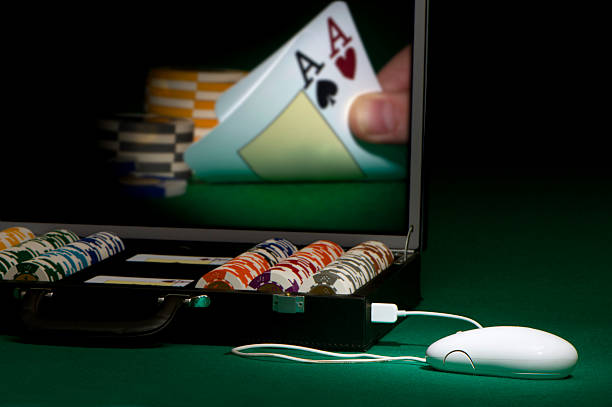
Exploring the Digital Gambling Landscape
In recent years, the rise of technology has brought gambling into the digital realm, creating an entirely new landscape for players. Online casinos and mobile applications have made gambling more accessible than ever, allowing individuals to engage in gaming from the comfort of their homes. This digital evolution has also led to innovative game designs and features, catering to a younger audience seeking convenience and excitement.
Moreover, the introduction of live dealer games combines the excitement of in-person gambling with the ease of online play, creating a hybrid experience that attracts players worldwide. As regulatory frameworks adapt to this new era, the online gambling industry continues to grow, pushing the boundaries of traditional gaming experiences and shaping the future of gambling.